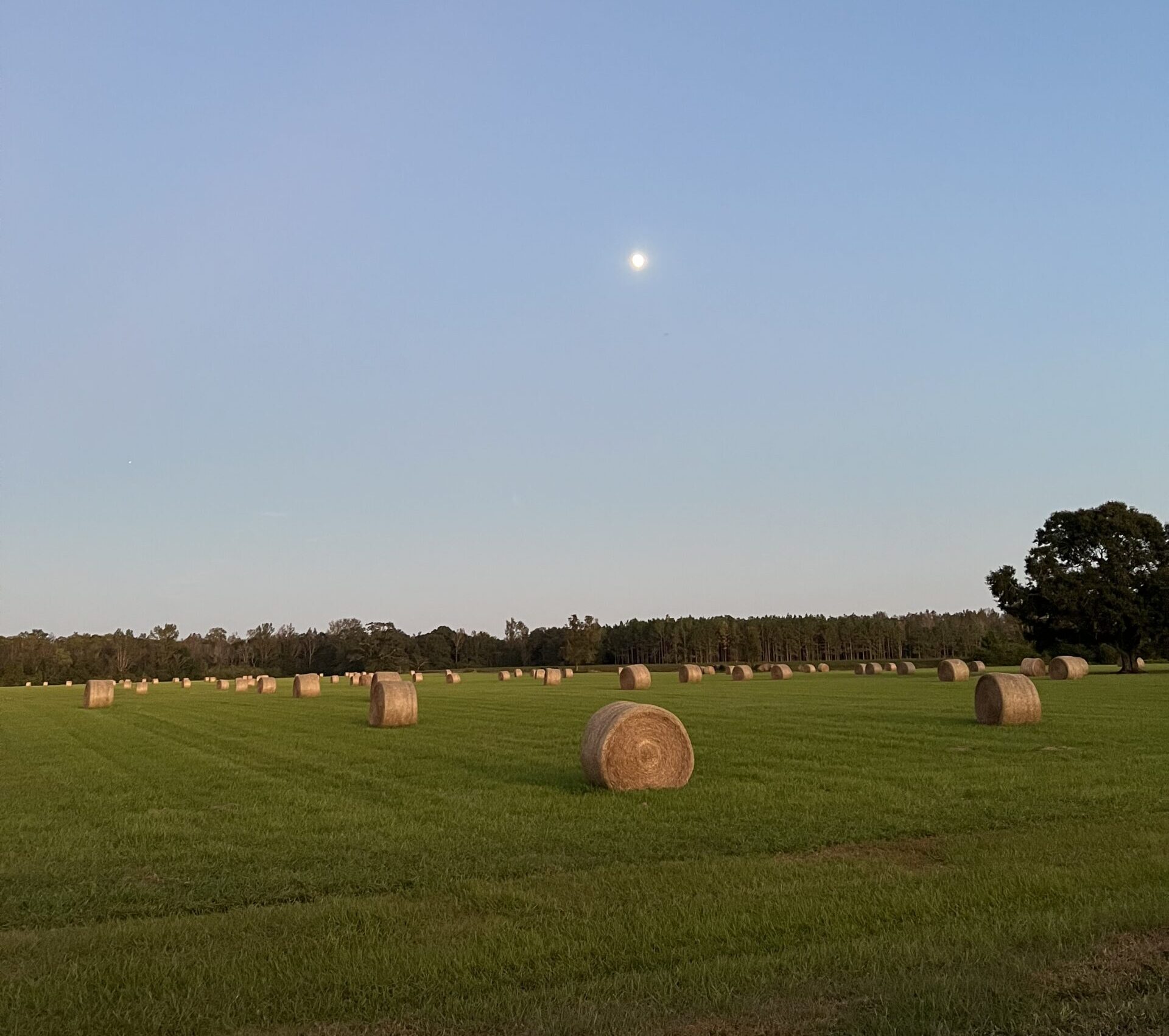
I’m from a small, rural farm community called Bratt. If it had one, the name wouldn’t have improved the town’s reputation, but luckily, it didn’t.
Bratt is snuggled into the northwest corner of Florida, a five-minute drive to the Alabama border. When my mother would explain where we lived, she’d always say right downtown. We were only a few houses from the four-way stop in the center of Bratt. It was the only shop for 10 miles. Culturally, the locals loved a bit of self-deprecation, so we talked about our town in the same manner.
There were two schools, which Mom cites as a reason that she and my dad decided to move to the middle of nowhere. It was a good place to raise a family. My dad wanted a rural life with land and cattle, which was the truthful motive.
I always cursed my parents for willingly sentencing our family to our fate: living in a town with nothing to do. The most exciting thing that ever happened was when the high school football team won a state championship in the D4-division. The town’s population, though not officially recorded, is less than 2000.
I believe my mother is finally considered a local, though it took her 25 years. In order to qualify, one must have had kids who went to the school there and graduated. Many of our teachers at school had also been the teachers of our generation’s parents. Bloodlines stayed planted, rooted more deeply than the pine forests.
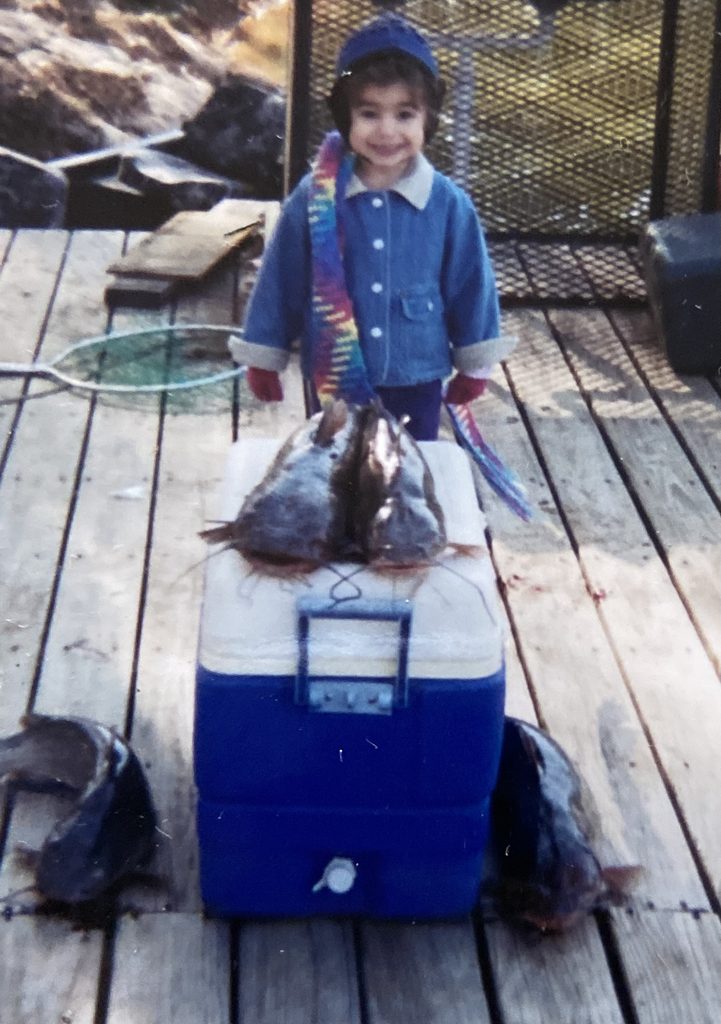
As a child, I always cringed when adults asked me where I’d gone to school. “Bratt Elementary School,” I’d answer. “WHAT? A school for brats?”
As I internalized jokes made over the years, I became a bit embarrassed of Bratt. I believed nothing was interesting about where I was from. The world was spinning off without me, and I was scared of being left behind.
Bratt, South Korea
When I left university, I moved to South Korea to teach English. I tried new foods, met new people, and immersed myself in another culture. However, as I began to describe my new home to my mother, she made a curious observation. “You’re still in Bratt.” My heart sort of sank as I realized she was right. Though, to be fair, the population of this town is almost 70,000 and well connected.
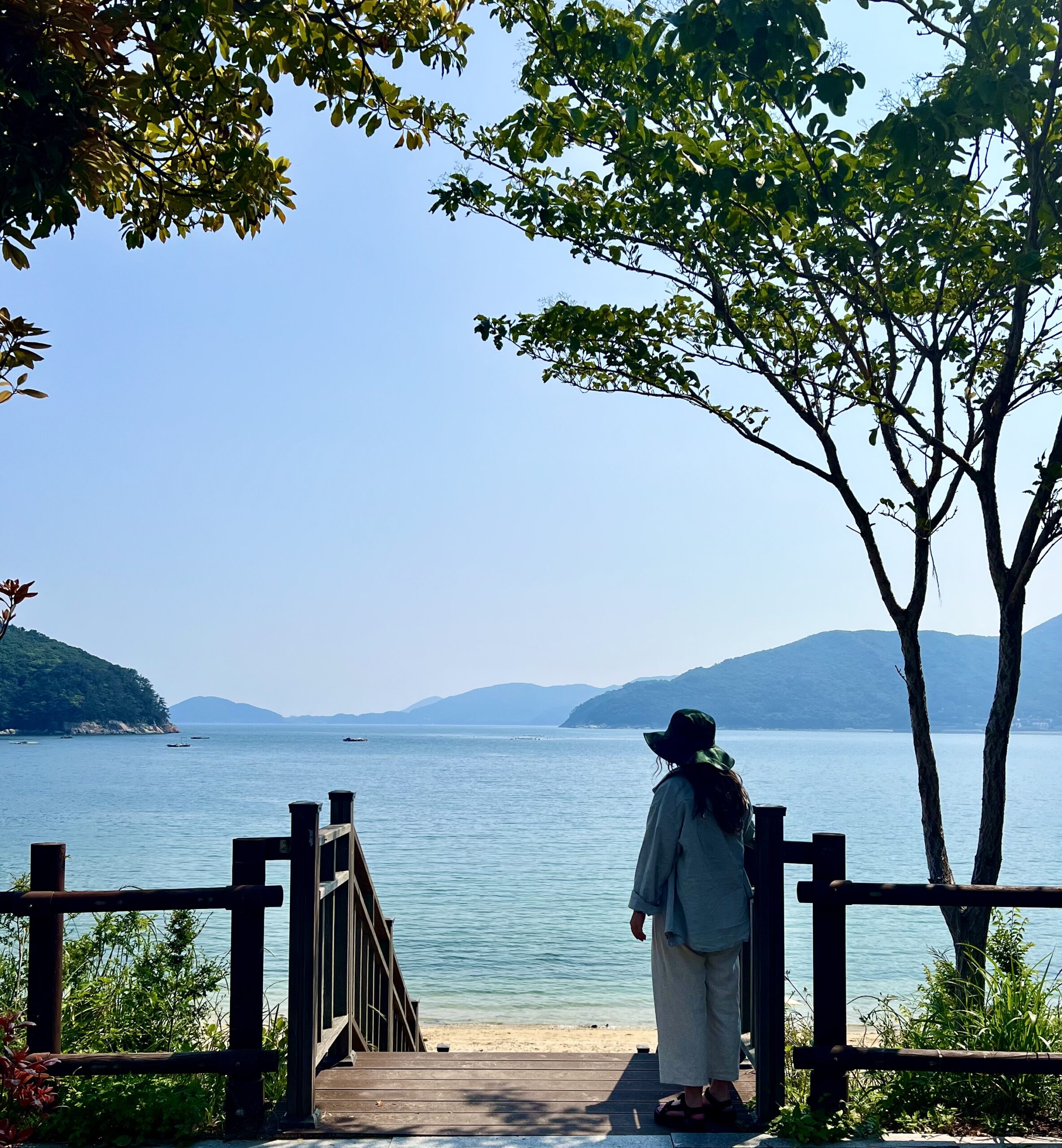
I had chosen a small, rural community, Beomseo, a town in Ulju-gun county, on the outskirts of Ulsan. It is nestled at the base of the mountains, only a half-hour bus ride to the city center, and the public transportation is especially prompt.
There were many reasons I chose Ulsan: I found a good job placement there, Busan was connected by train, there was an expat community, the nature was great, etc.
Most importantly, though, Ulju-gun is nowhere, a place I know well.
Two Years in Ulju-Gun
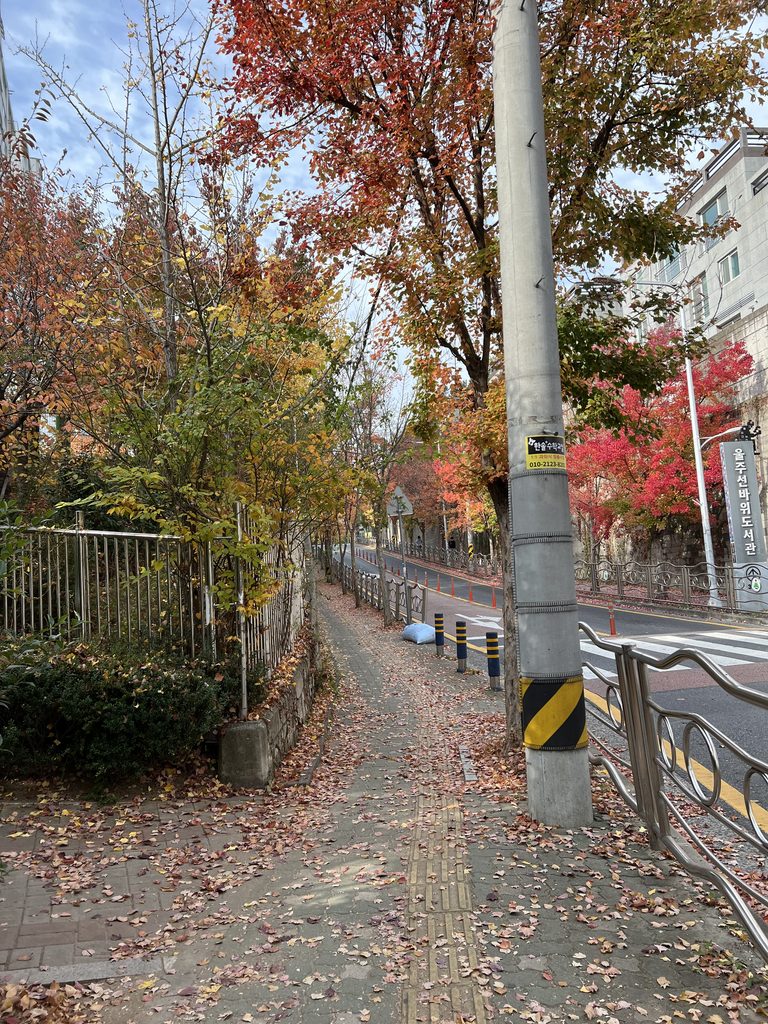
Living in Ulsan was the most peaceful time of my life. From my apartment, I went on long walks along carefully maintained hiking trails. Depending on which way I went, the scenery would change completely.
Along one path, you could walk the river all the way upcountry. I’d just walk a few miles, through bamboo forests, past a temple, along the edges of farms.
In another direction, trails led me through the forest, past fruit tree farms and Buddhists walking barefoot in the mud, syncing their bodies with the earth’s frequency.
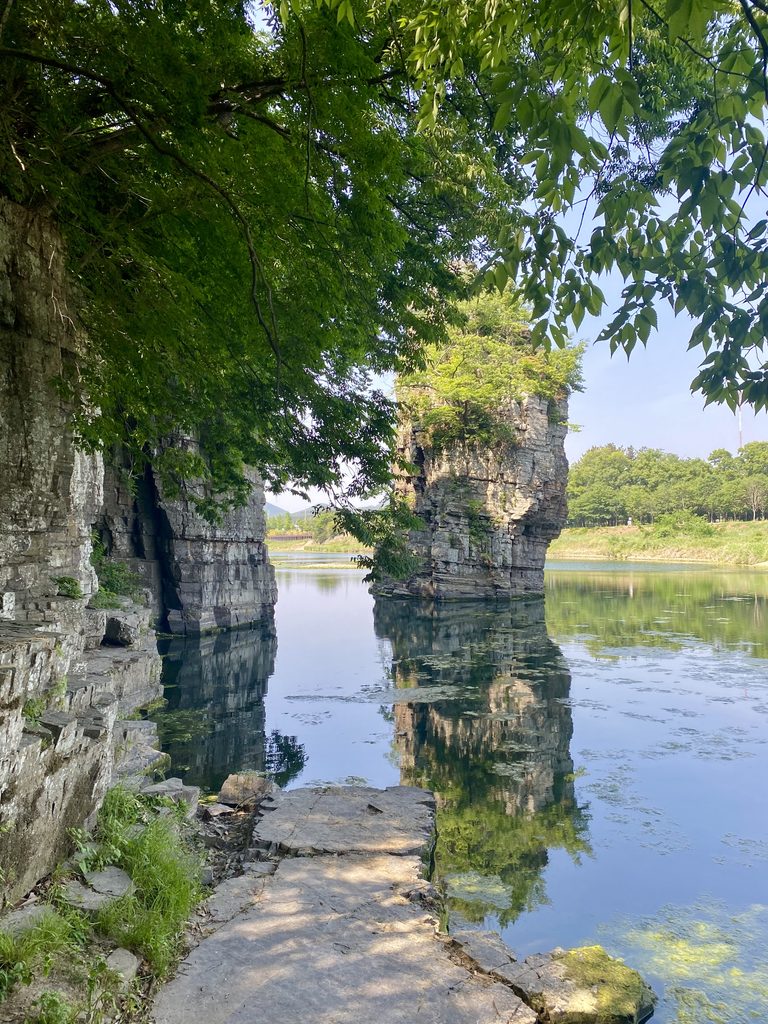
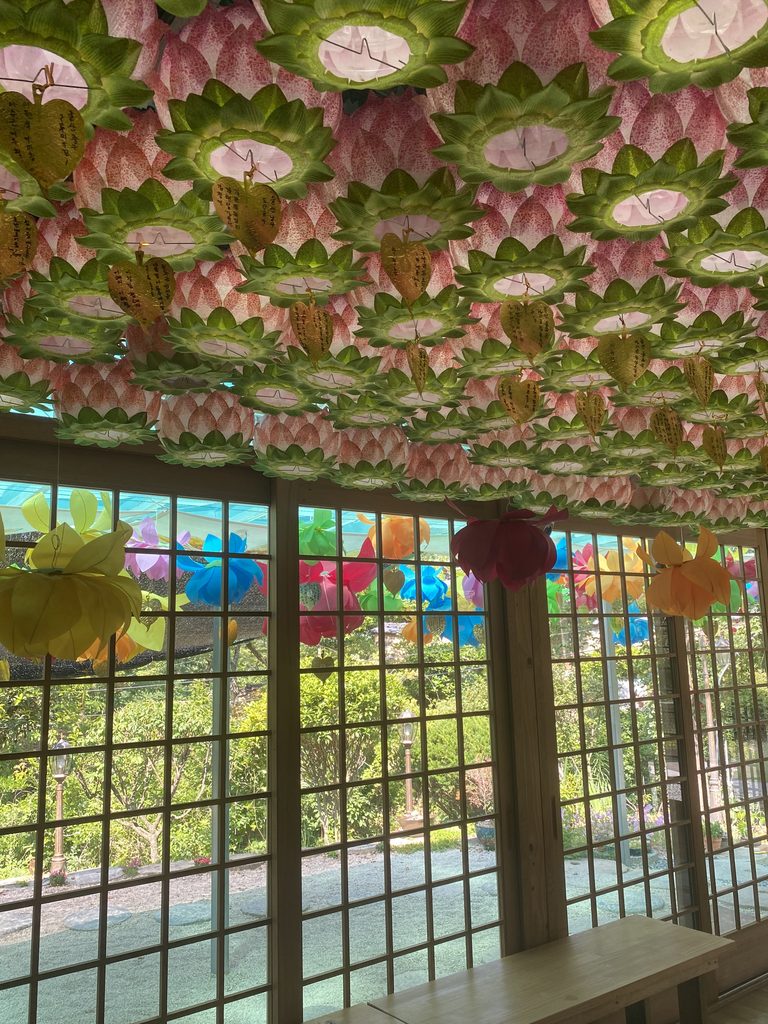
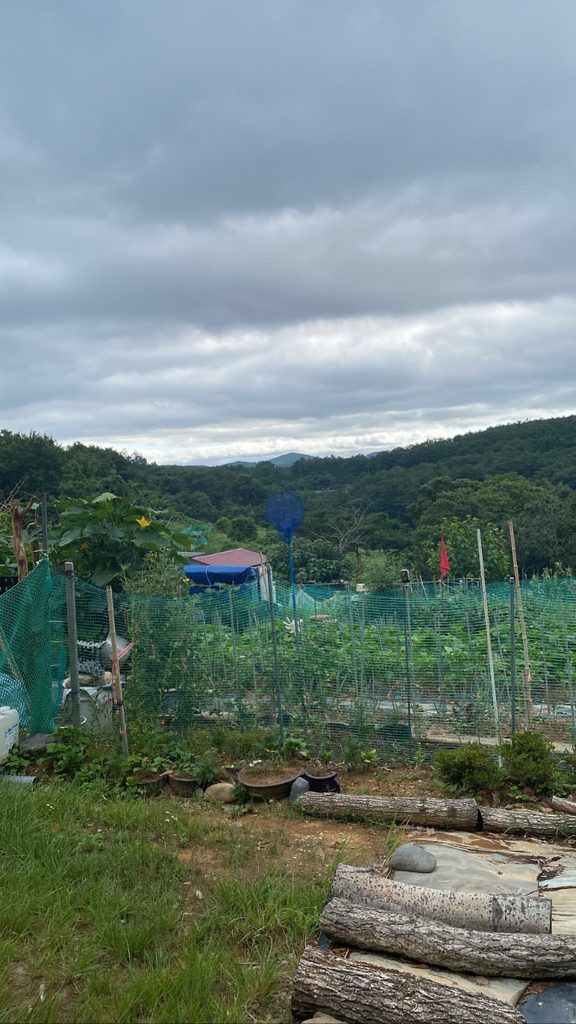
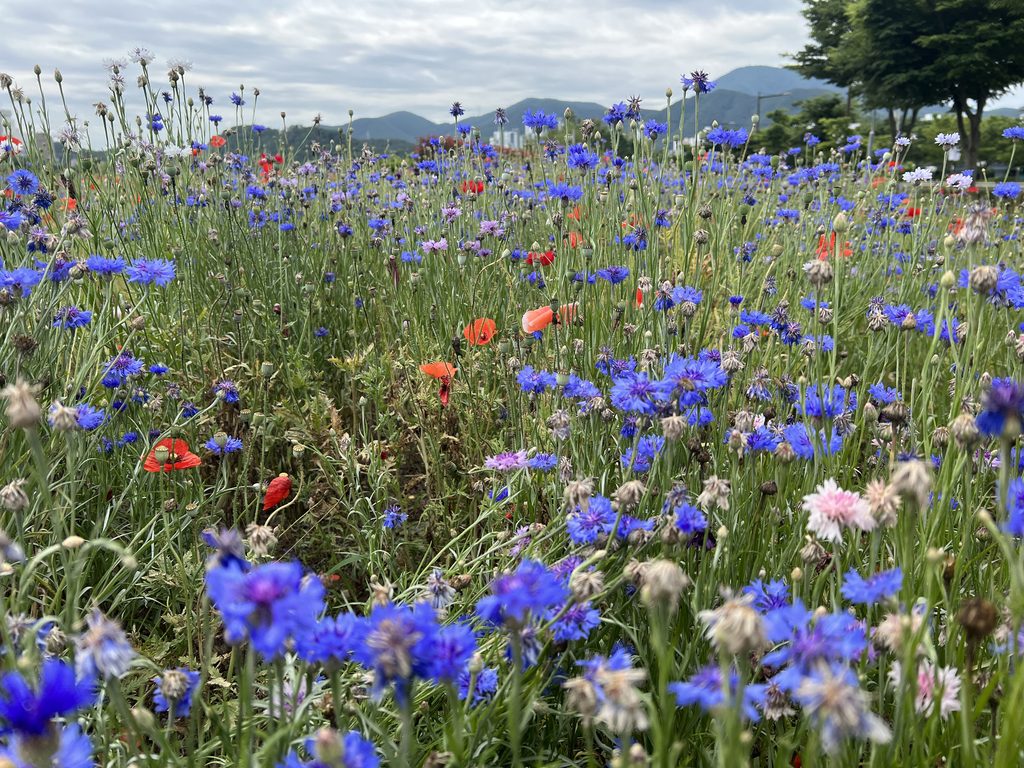
My favorite paths were the ones that reminded me of home. They wound through the base of the mountains, and I’d walk along them alone for hours in silence. I’d pass solo shacks and farms with greenhouses.
Here, there were only fields and small plots with homes. They were scattered, along with the mounded graves of the country, all along the paths. It was somewhat rare to pass others along the trails.
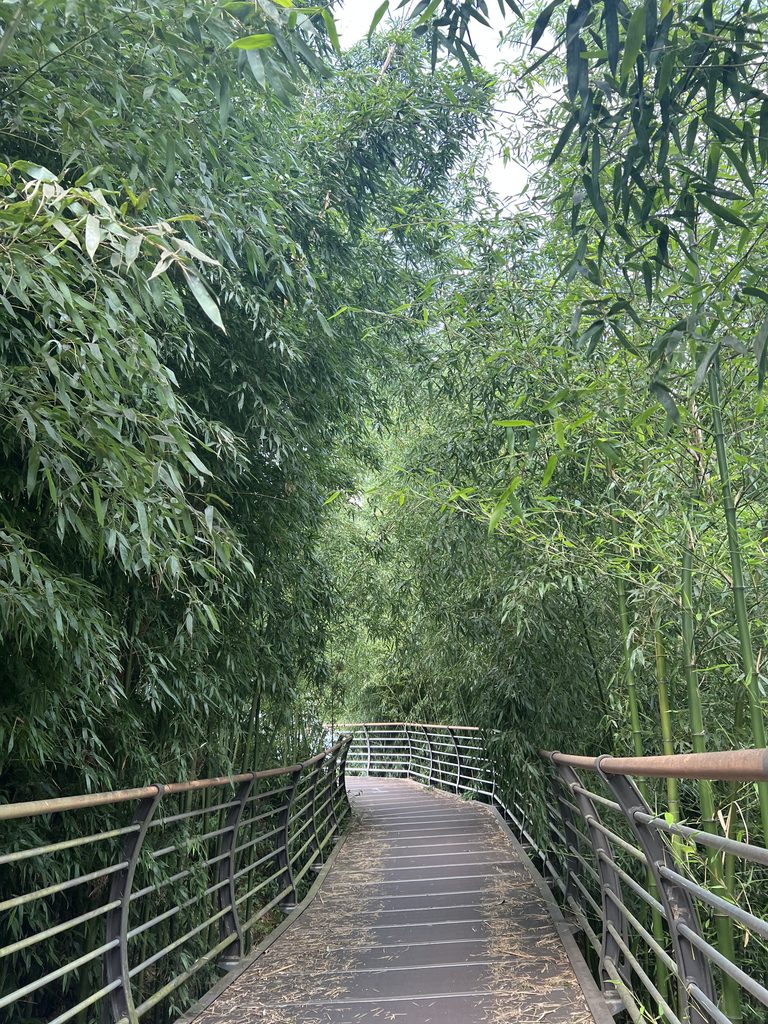
I didn’t live there long enough to figure out what it meant to be a local. My boss was Korean American. She wasn’t a local, but her kids were. I think perhaps you had to speak the language at a native level.
Everyone knew I wasn’t a local. I don’t look Korean; I don’t speak Korean. I got a lot of stares. At first, I thought everyone in the town hated me. I was really upset until my boss told me everyone stared at her too, and it was better to embrace it. I started staring, too. It wasn’t rude. It was just normal. What’s your deal? I’m curious about you. I’ve never seen you here before. Why would you be here, nowhere?
I came to really love the people in my community. I felt like a bit of a local celebrity at times. Anyone who knew English wanted to practice with me; I got free pastries; I waved at my students and their parents on the street. It was idyllic. The students all walked to school alone, guided by crossing guards. After school, they’d walk to the convenience store for a snack and come see me at their English academy.
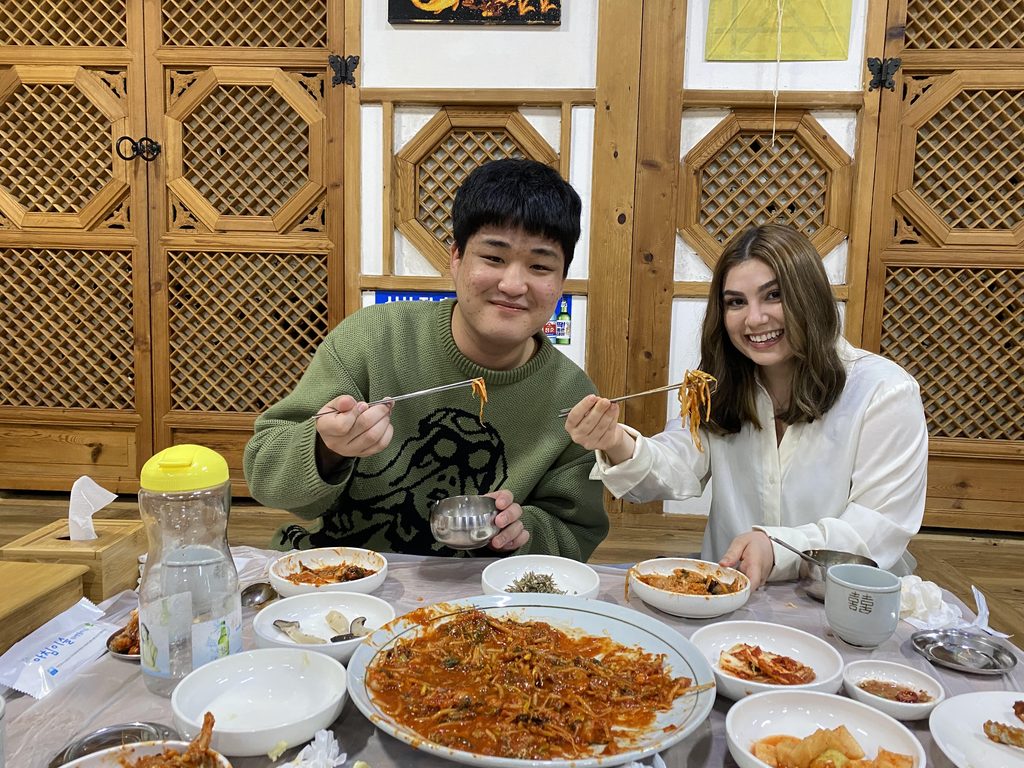
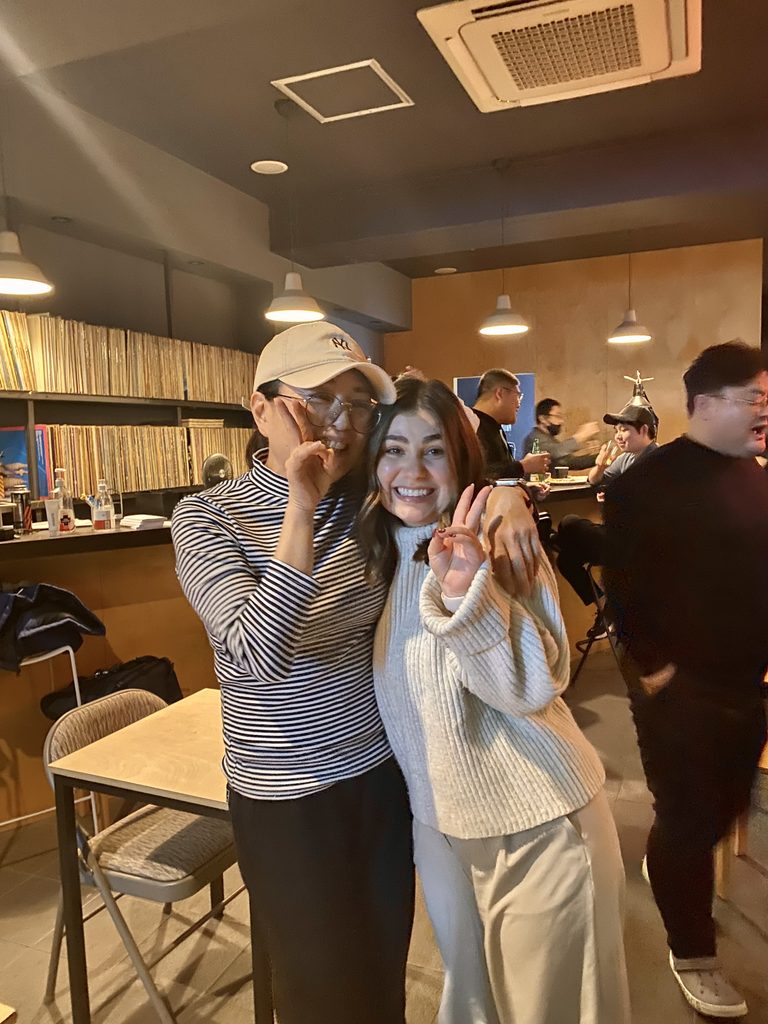
I made wonderful friends in the town, became a regular at a local bar, and even had a short trip to the local police station. My friends got me into and out of trouble that time. It was all very small-town in that way.
Where is nowhere?
Now that I am older, I realize that I often seek out rural places unintentionally. The world is spinning fast, and while I see it, it’s important to stop somewhere for a break, someplace that’s getting left behind. This is where people really live, without the expectation of being witnessed, unencumbered by the gaze of tourists.
One summer afternoon as a child, I took a call on my mom’s cellphone from a friend. Mom told me the call was about to drop because we were in the boonies.
“Hey, I gotta let you go because we’re going through a place called the ‘Boonies,’ so our call is going to drop.”
My mom found this comical because, as she explained, the boonies isn’t a place. It is the opposite of a place. It’s nowhere.
But here we were, I thought, somewhere.
Leave a Reply